Jarod Wallace · Owner, Alpine Roofing Specialists
27+ years roofing Utah · 10,000+ roofs installed · Licensed & insured (UT contractor #369642-5501)
"How much does a new roof cost?" is the first question on nearly every call we take, and it's the question most roofing websites refuse to answer straight. After 27 years and more than 10,000 roofs installed across Utah, I can give you real ranges — and more importantly, explain why your neighbor's quote and yours can differ by thousands of dollars on similar-looking homes. Here are the numbers we see on actual estimates in 2026, and the six factors that decide where your home lands in the range.
Real 2026 price ranges for Utah homes
For a full tear-off and replacement with quality architectural asphalt shingles — the material on the large majority of Utah homes — most projects in 2026 land in these ranges:
- Smaller home (1,200–1,800 sq ft of roof): roughly $9,000–$14,000
- Average home (1,800–2,500 sq ft of roof): roughly $13,000–$19,000
- Larger or complex home (2,500–4,000+ sq ft of roof): roughly $18,000–$30,000+
Standing-seam metal typically runs 2–2.5x the asphalt number on the same home. These ranges assume a full tear-off, new underlayment, ice-and-water shield at eaves and valleys, new flashing, and proper ventilation — not a layover, which we don't recommend in Utah's freeze-thaw climate. Your roof's square footage is larger than your home's floor plan, because of pitch and overhangs; a 2,000 sq ft home often has 2,400–2,800 sq ft of roof.
The six factors that move your number
Two homes on the same street can legitimately get quotes $5,000 apart. Here's what drives the difference:
- 1. Pitch and complexity. Steep roofs need more safety equipment, move slower, and waste more material. Every valley, dormer, skylight, and chimney adds flashing labor.
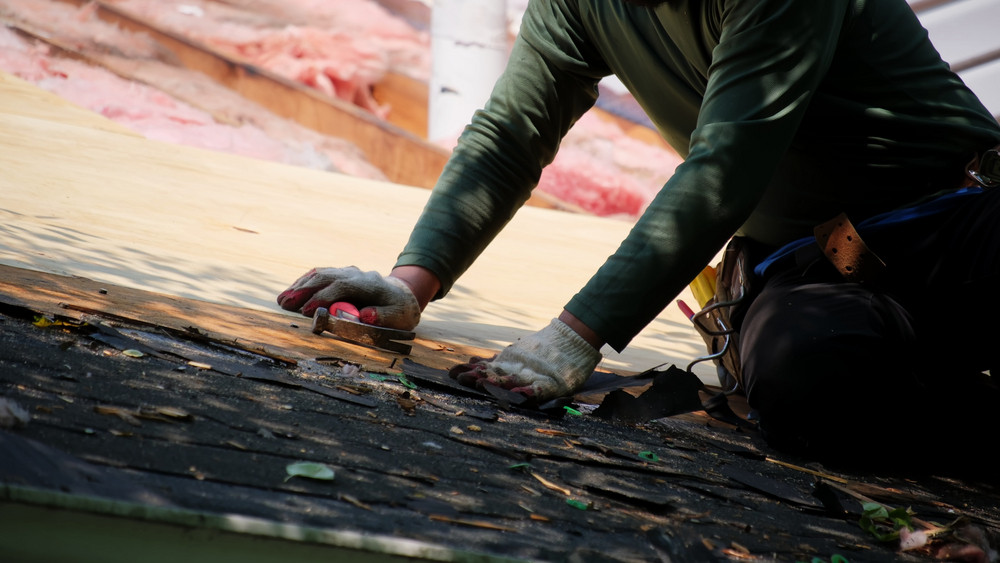
- 2. Layers to tear off. One layer is standard. A second layer adds disposal cost and labor — and Utah code requires a full tear-off at two layers.
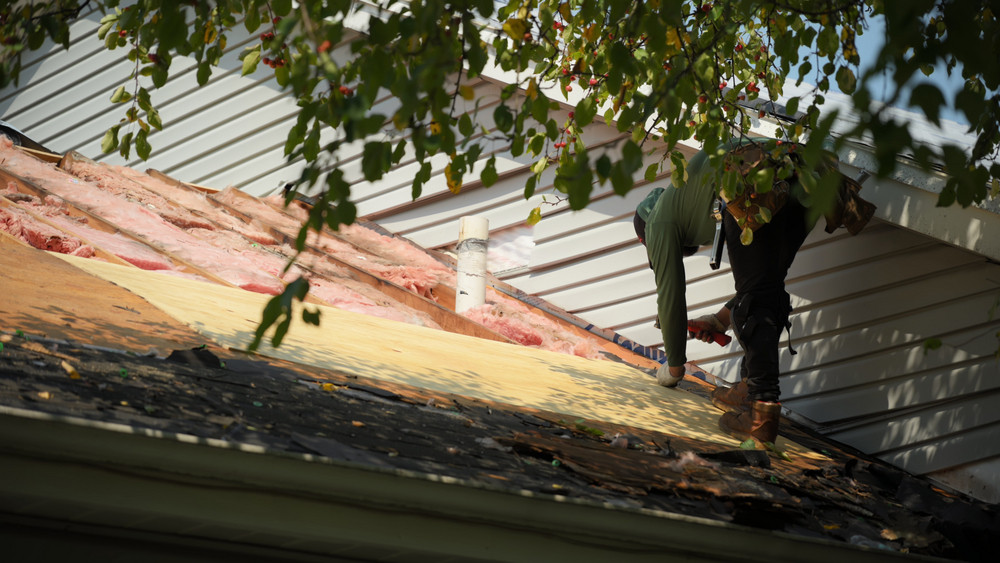
- 3. Decking condition. Soft or rotted plywood underneath can't be quoted until the old roof comes off. Budget a per-sheet allowance; a reputable contractor states that price up front.
- 4. Ventilation corrections. Many Utah homes are under-ventilated, which cooks shingles from below and voids manufacturer warranties. Bringing intake and exhaust up to spec is cheap insurance.
- 5. Material tier. A basic architectural shingle versus a Class 4 impact-resistant shingle can swing the material line by 30–40% — though Class 4 often earns an insurance discount that pays the difference back.
- 6. Access and staging. Tight lots, landscaping that must be protected, and long carries from the dumpster all add labor hours.
What a complete estimate should include
A legitimate estimate itemizes tear-off and disposal, underlayment type, ice-and-water shield coverage, flashing replacement (not reuse), ventilation plan, the exact shingle line and warranty tier, and the workmanship warranty in writing. If you receive a one-line quote with a single number, you're not comparing apples to apples — our guide to comparing roofing estimates walks through how to line two bids up side by side. Every Alpine estimate is itemized this way, because a number you can't question isn't a number you should trust.
Insurance claims, deductibles, and payment timing
If storm damage is involved, your out-of-pocket cost may be only your deductible — but the claim has to be documented correctly. We photograph every slope, mark hail hits, and meet the adjuster on site so nothing gets missed. One warning: any contractor who offers to "cover" or "waive" your deductible is proposing insurance fraud, which is illegal in Utah. On timing, an established company has supplier accounts and working capital, so be cautious of any bid that needs most of the money before materials are delivered. Payment stages should be written into the contract.
Why the cheapest bid is usually the most expensive roof
The lowest number almost always comes from the same places: reused flashing, skipped ice-and-water shield, no ventilation correction, day-labor crews, or a workmanship warranty from a company that won't exist in three years. Utah roofs fail at the details — valleys, flashing, ventilation — not in the middle of a shingle field. A roof that leaks at year six and has no one standing behind it costs far more than the $2,000 you "saved." Verify the contractor's license with the DOPL before you sign anything; ours is UT contractor #369642-5501, and it takes two minutes to confirm.
Ready to get a straight answer on your roof?
Call directly or book a free, no-pressure inspection. We'll give you honest options — repair, replace, or wait.