
Jarod Wallace · Owner, Alpine Roofing Specialists
27+ years roofing Utah · 10,000+ roofs installed · Licensed & insured (UT contractor #369642-5501)
Highlights
- Roof repairs are often appropriate when damage is localized, the roof is relatively young, and the underlying structure remains sound.
- Replacement may be more practical when shingles deteriorate across broad areas, leaks recur, or the roof approaches the end of its expected service life.
- A professional inspection helps distinguish surface damage from problems involving flashing, ventilation, or roof decking.
- Comparing repair scope, future maintenance, and long-term costs can help homeowners make informed roofing decisions.
A roof protects your home from rain, wind, snow, and changing temperatures, but it does not last forever. Small problems can often be corrected before they spread, while widespread deterioration may call for a new roofing system. Knowing which situation applies can help you avoid unnecessary expenses and protect your property.
Alpine Roofing Specialists, Inc helps homeowners evaluate roofing concerns and understand practical options. The goal should be a solution that addresses the roof’s actual condition, not automatically the largest project or the quickest patch.
Recognizing Damage That May Need Repair
Localized damage is often a good candidate for repair when the surrounding shingles remain in solid condition. A few missing, cracked, or lifted shingles may be replaceable, especially if the roof is relatively young and the damage followed a specific storm or impact. Prompt attention can prevent water from reaching the underlayment or roof deck.
Other repairable issues include loose flashing around chimneys, vents, skylights, or valleys; exposed nail heads; and small areas where sealant has deteriorated. These details matter because water can enter through transitions even when shingles appear intact. A contractor should inspect the surrounding materials and confirm that the repair will address the leak’s source.
Identifying Signs That Replacement Makes Sense
A roof with widespread shingle deterioration may be approaching the point where repeated repairs no longer provide dependable protection. Look for broad areas of curling, cracking, missing granules, or shingles that no longer lie flat. Granules collecting in gutters can indicate aging, although some shedding is normal on newer shingles.
Recurring leaks in different locations can also signal that the roofing system has reached the end of its useful life. If repairs keep addressing new trouble spots, the combined cost and disruption may outweigh the value of another patch. Replacement becomes especially worth considering when the roof is older and several components show wear together.
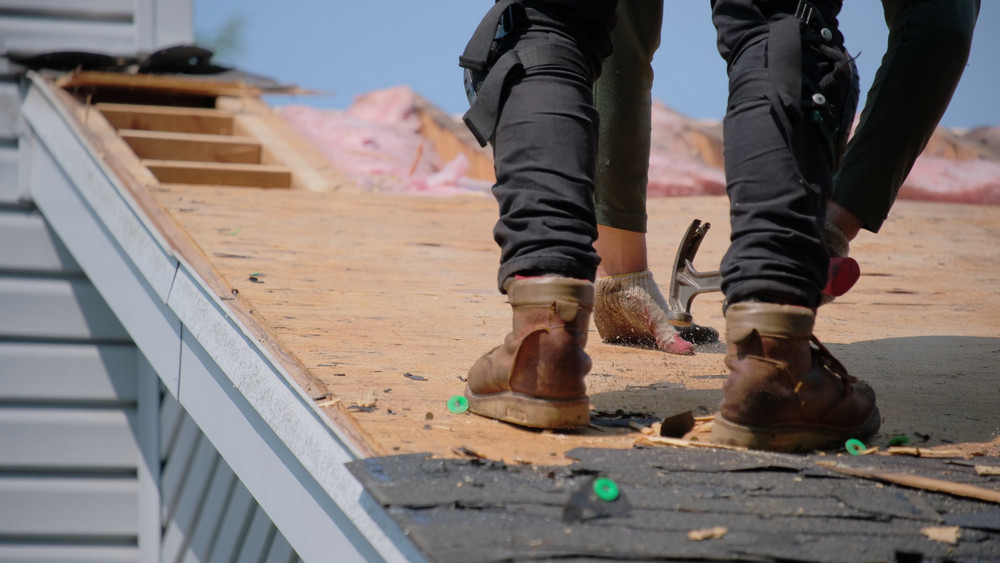
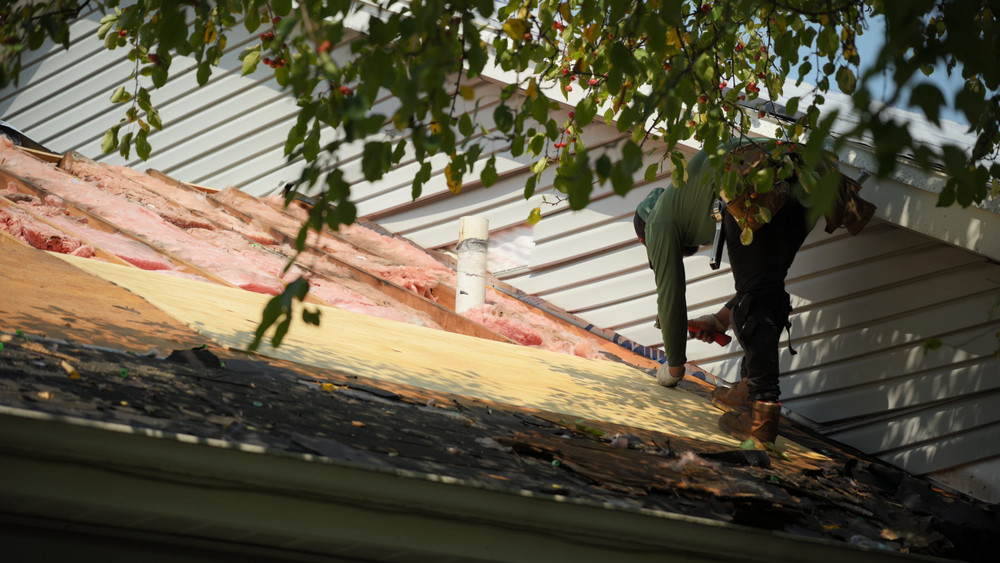
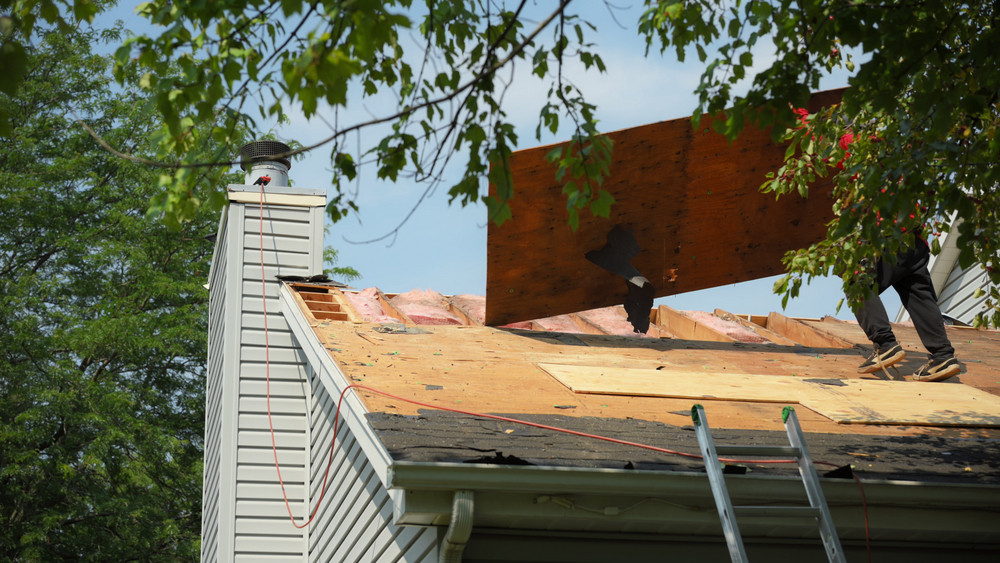
The roof deck is another important factor. Soft, sagging, or visibly uneven areas can suggest moisture damage or structural concerns beneath the shingles. These conditions require professional evaluation because installing new shingles over compromised decking will not solve the underlying problem. A complete replacement, including new asphalt shingle installations, can involve removing old materials, inspecting the deck, correcting damaged sections, and rebuilding the system properly.
Comparing Roof Age, Costs, and Long-Term Value
Age offers useful context, but it should not determine the decision by itself. Asphalt roofs can have different service lives depending on material quality, installation, ventilation, weather exposure, and maintenance. A roof’s documented history and current condition are more useful than relying on a single age threshold.
According to Ruby Home there are 134,365 roofers in the U.S., illustrating the size of the roofing industry. This statistic also highlights why homeowners should evaluate contractor qualifications rather than assume every provider offers the same experience or workmanship. Ask providers to explain their findings, which repairs are necessary, and what could reasonably wait.
Cost comparisons should account for more than the immediate estimate. A repair may be economical when it restores a sound roof, but repeated service calls can add up if deterioration is widespread. A replacement has a higher upfront cost, yet may reduce ongoing maintenance and provide a more consistent roofing system. Request itemized estimates that identify materials, labor, tear-off, decking allowances, ventilation, cleanup, and warranty terms.
Preparing for a Professional Roof Assessment
A useful inspection considers the entire roofing system, including shingles, flashing, valleys, gutters, ventilation, and accessible attic areas. The contractor should identify visible damage, investigate likely leak sources, and explain whether the roof’s condition is localized or widespread. Photographs and clear notes can help homeowners understand findings without climbing onto the roof themselves.
The U.S. Department of Energy explains that proper attic ventilation and insulation help manage heat and moisture in a home. These components also matter when evaluating roofing performance because ventilation problems can contribute to moisture buildup and premature material wear.
Alpine Roofing Specialists, Inc takes an owner-led approach to assessments, explaining findings and options without pressure. Homeowners can use that information to weigh repair against replacement based on the roof’s condition, budget, and priorities.
Choosing the Right Roofing Solution
The strongest decision is based on evidence rather than a single warning sign. A localized problem on an otherwise healthy roof generally points toward repair, while asphalt shingle installations are often considered when extensive deterioration, recurring leaks, or damaged decking support replacement. In uncertain cases, ask for a clear explanation of the risks of delaying either option.
Material selection also matters when planning asphalt shingle installations. These projects should include proper preparation, sound decking, correctly placed flashing, and attention to ventilation rather than simply new shingles layered over old concerns. Quality asphalt shingle installations depend on preparation and sound workmanship. Installation details influence how well the finished roof performs over time.
Get recommendations in writing and compare the scope, not just the total price. Estimates for asphalt shingle installations should detail materials and preparation. A lower bid may omit necessary preparation or use different materials, while a higher bid should clearly explain its added value. Confirm contractor credentials, references, insurance, and warranty coverage before signing.
Make an Informed Decision About Your Roof
You do not need to decide between repair and replacement based on a leak, a few missing shingles, or the roof’s age alone. A thorough assessment can reveal whether damage is limited, whether the underlying structure is sound, and what work is likely to provide lasting protection. Acting promptly is especially important when water is entering the home or damage is spreading.
Clear gutters regularly and trim nearby branches to reduce debris buildup and prevent roof damage. For guidance tailored to your property, contact Alpine Roofing Specialists, Inc. to schedule a roof assessment. The team can explain the condition of your roof, outline repair and replacement options, and help you plan the next step with clear information.
Ready to get a straight answer on your roof?
Call directly or book a free, no-pressure inspection. We'll give you honest options — repair, replace, or wait.