
Jarod Wallace · Owner, Alpine Roofing Specialists
27+ years roofing Utah · 10,000+ roofs installed · Licensed & insured (UT contractor #369642-5501)
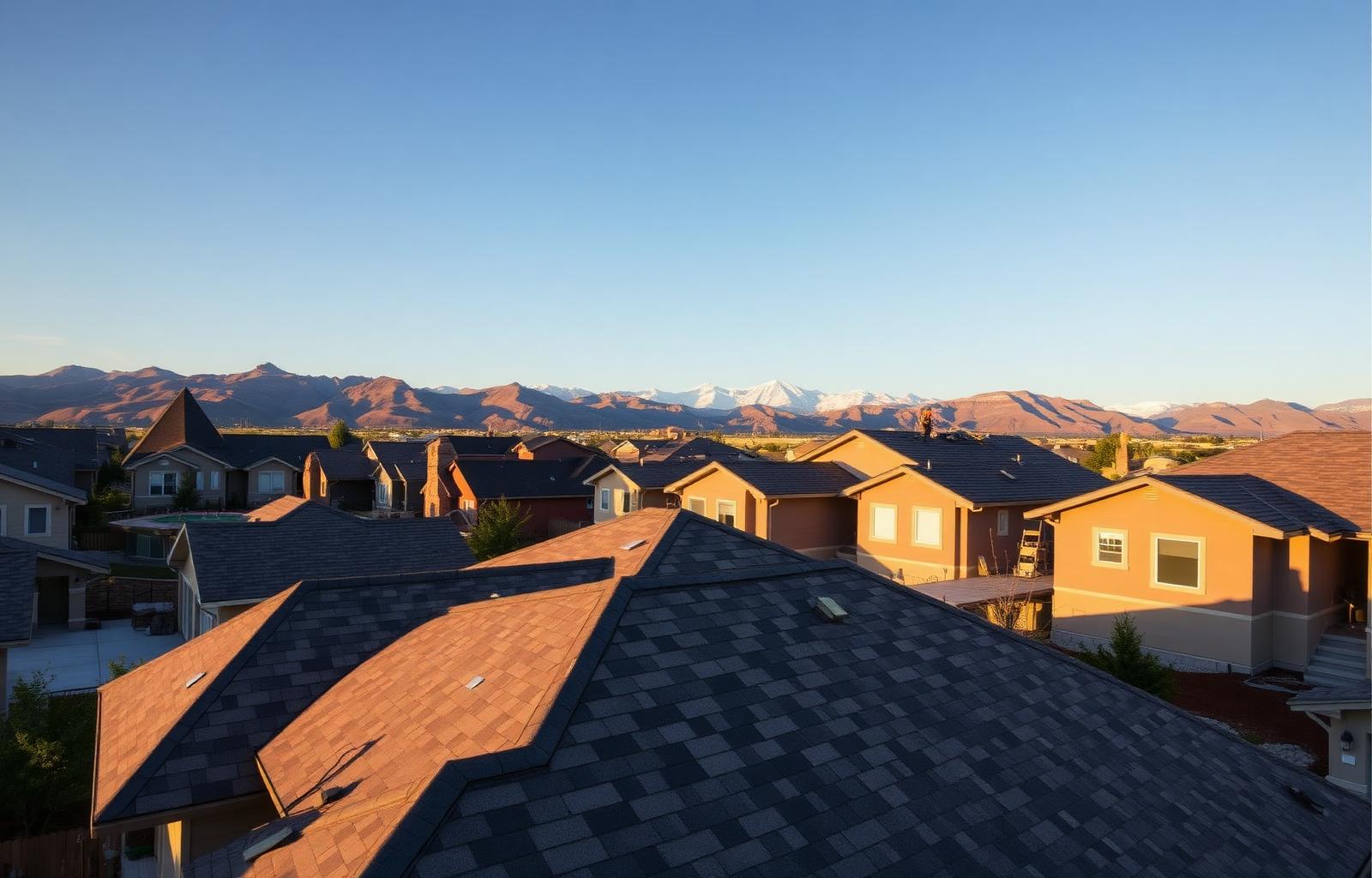
A roof is one of the most important investments a homeowner makes, and in Utah, it works especially hard. Winters bring heavy snow and repeated freeze-thaw cycles, summers bring intense sunshine at high elevation, and spring and fall storms can deliver wind and hail. Each season adds its own kind of stress.
The good news is that a roof's lifespan isn't left entirely to chance. Regular care, timely repairs, and smart material choices can add years of dependable performance and help homeowners avoid premature replacement. Finding help is rarely the hard part. The challenge is knowing which steps actually make a difference.
With fall underway and winter approaching, now is an ideal time to give your roof some attention. Below, we'll cover practical ways to extend the life of your residential roof in Utah's demanding climate, and how our team can help you protect it.
Highlights
- Utah's heavy snow, freeze-thaw cycles, intense high-altitude sun, and seasonal storms all put extra wear on roofs.
- Professional inspections in spring and fall catch small problems before they become expensive repairs.
- Proper attic insulation and ventilation help prevent ice dams that can force water beneath shingles.
- Clear gutters and trimmed branches keep water and debris from damaging roofing materials.
- Repairing minor damage before winter protects the roof deck and the home beneath it.
- Alpine Roofing Specialists, Inc. helps homeowners across Utah County and the Wasatch Front keep their roofs performing longer.
Schedule Professional Inspections Twice a Year
Many roof problems start small and stay hidden until they cause visible damage. A loose shingle, cracked flashing, or worn seal around a vent may not leak right away, but each one gives water a path into your home.
Professional inspections in spring and fall are the most reliable way to catch these issues early. A spring inspection reveals damage left behind by snow and ice, while a fall inspection prepares the roof for the winter ahead. Inspectors check shingles, flashing, vents, skylights, and chimneys, along with signs of moisture in the attic.
Inspections are also wise after major storms. Hail and high winds can loosen or bruise shingles in ways that are difficult to see from the ground. Our team inspects roofs throughout Utah County and the Wasatch Front and provides clear recommendations so homeowners know exactly where their roof stands.
Prevent Ice Dams With Proper Insulation and Ventilation
Ice dams are one of the most common winter roofing problems in Utah. They form when warm air escapes into the attic, melts snow on the roof, and allows the water to refreeze at the colder eaves. Over time, a ridge of ice builds up and traps more water behind it.
It doesn't take a major storm for this to happen. According to the U.S. Department of Energy's Building America Solution Center, ice dams can form with as little as 2 inches of snow on a roof, and water building up behind them can be drawn beneath the shingles by capillary action, leading to leaks.
The most effective prevention happens below the roof. Sealing air leaks into the attic, maintaining adequate insulation, and ensuring balanced ventilation keep the roof deck cold and reduce uneven melting. A professional evaluation can identify where heat is escaping and whether your ventilation is working as it should.
Protect Your Roof From Utah's Intense Sun
Utah's high elevation and abundant sunshine expose roofs to strong ultraviolet radiation throughout the year. Over time, UV exposure dries out asphalt shingles, causes granule loss, and makes materials more brittle. Hot summer days followed by cool nights add expansion and contraction that further stress roofing components.
Attic ventilation plays a role here as well. A poorly ventilated attic traps heat during summer, which can cook shingles from below and shorten their lifespan. The same ventilation that helps prevent ice dams in winter also helps release excess heat in summer.
Watch for signs of sun damage, such as curling shingles, bald spots where granules have worn away, or granules collecting in gutters. Catching these signs early allows for targeted repairs and helps you plan ahead before the residential roof reaches the end of its life.
Keep Gutters and Drainage Clear
Gutters and downspouts are your roof's drainage system. When they're clogged with leaves, pine needles, or debris, water backs up along the roof edge and can seep under shingles or into fascia boards. In winter, clogged gutters can also contribute to ice buildup along the eaves.
Cleaning gutters before winter and again in spring helps water drain freely. Downspouts should direct water away from the foundation to protect both the roof and the rest of the home.
Overhanging tree branches deserve attention, too. Branches that rub against the roof can wear away shingles, drop debris that clogs gutters, and break under heavy snow loads. Keeping trees trimmed back from the roofline reduces these risks and limits shade that can allow moss or moisture to linger.
Repair Small Problems Before Winter
A minor issue in summer can become a major problem once snow and ice arrive. Missing shingles, cracked flashing, or damaged vent boots leave openings that winter moisture will find quickly. Freeze-thaw cycles can widen small gaps and allow water to reach the roof deck.
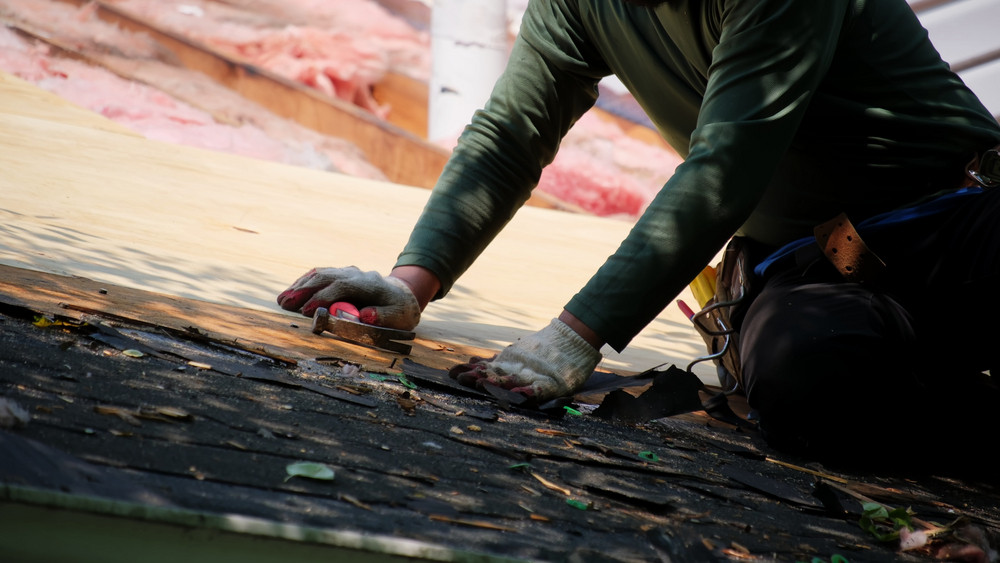
Addressing repairs in the fall prevents that damage from spreading. Replacing a few shingles or resealing flashing costs far less than repairing rotted decking, damaged insulation, or stained ceilings later. Prompt repairs help maintain the overall integrity of your residential roof. Keep repair records and follow the maintenance requirements in your written warranty.
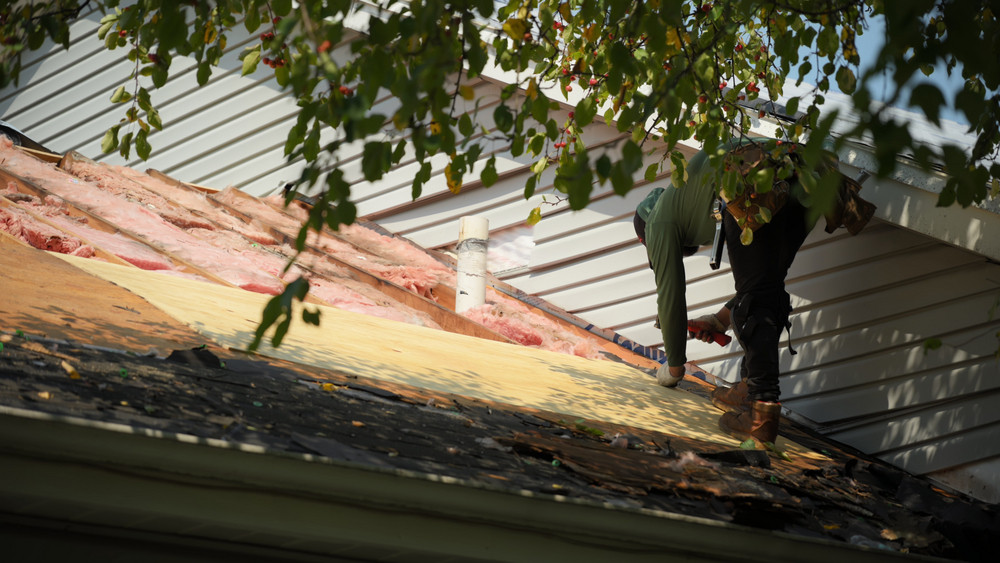
Our team handles roof repairs of all sizes, from storm damage to worn flashing and leaks around chimneys and skylights, so small issues never get the chance to grow.
Choose Materials Built for Utah's Climate
When a roof eventually needs replacement, the materials you choose can significantly affect how long the new roof lasts. Utah's climate rewards products designed for snow, sun, and temperature swings.
Metal roofing sheds snow efficiently, resists UV damage, and offers excellent longevity. High-quality architectural shingles provide strong wind resistance and durability, and impact-resistant options offer added protection in areas prone to hail. Installing a self-adhering ice and water barrier along the eaves adds another layer of defense against ice dam leaks.
Protect Your Roof With Alpine Roofing Specialists, Inc.
Extending the life of a roof in Utah comes down to consistent care and smart decisions. Regular inspections, proper attic insulation and ventilation, protection from sun damage, clear gutters, timely repairs, and climate-appropriate materials all work together to keep your roof performing through every season.
At Alpine Roofing Specialists, Inc., we've helped homeowners throughout Utah County and the Wasatch Front protect their homes with quality roof inspections, repairs, and replacements. Our team understands Utah's unique climate and the demands it places on every residential roof. Reach out to us today to schedule an inspection before winter arrives and keep your roof in great shape for years to come.
Ready to get a straight answer on your roof?
Call directly or book a free, no-pressure inspection. We'll give you honest options — repair, replace, or wait.