
Jarod Wallace · Owner, Alpine Roofing Specialists
27+ years roofing Utah · 10,000+ roofs installed · Licensed & insured (UT contractor #369642-5501)
Your roof protects everything beneath it, yet it's one of the easiest parts of a home to overlook. Most homeowners don't think about their roof until a stain appears on the ceiling or shingles turn up in the yard after a windstorm. By then, a simple fix may have grown into a much larger repair.
In Utah, roofs work especially hard. Winters bring heavy snow and repeated freezing and thawing, summers bring strong high-altitude sun, and spring and fall can deliver wind and hail. Asphalt shingles take the brunt of these conditions for most households — they're the most common roof type in the U.S., used in roughly 80% of residential roofing projects.
The good news is that consistent maintenance makes a real difference. Knowing what to look for and when to call for help can keep your roof performing well for years. Below, we'll share roof maintenance tips every Utah homeowner should know, along with when professional asphalt shingle repairs are the right next step.
Learn the signs of shingle wear
Shingles rarely fail all at once. Instead, they show gradual signs of aging that are easy to spot once you know what to look for. Many can be seen safely from the ground or with a pair of binoculars.
Granule loss is one of the most common indicators. The small granules on the surface of asphalt shingles protect them from sunlight, so bald spots or heavy granule buildup in gutters suggest the shingles are wearing thin. Curling or cupping edges, cracked shingles, and blistering are other signs of age and heat exposure.
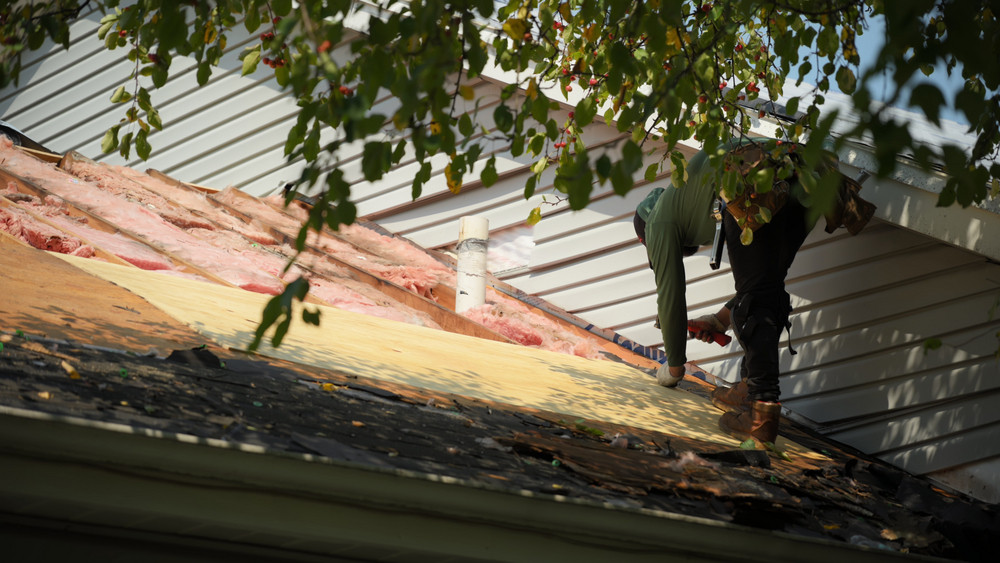
Missing shingles leave the roof deck vulnerable, while dark streaks or uneven patches may signal moisture problems. If you notice any of these issues, it's worth scheduling a professional roof inspection. Timely asphalt shingle repairs can address damaged areas before water reaches the decking underneath.
Check your roof after every major storm
Utah's storms can be hard on roofs. Strong canyon winds can lift and crease shingles, breaking the seal that holds them flat, while hail can bruise shingles and knock away protective granules. These effects aren't always obvious, especially from the ground.
Storm damage is one of the most common reasons homeowners need roof work. According to the Insurance Information Institute, about one in 35 insured homes has a property damage claim related to wind or hail each year, making it the most frequent type of homeowners insurance claim.
After a significant storm, look for shingles in the yard, dented gutters or vents, and granules collecting near downspouts. A professional inspection can identify subtle damage and document it in case you need to file a claim — our insurance restoration team handles that documentation every week. Addressing storm damage quickly with proper asphalt shingle repairs helps prevent leaks from developing over the following months.
Inspect flashing, vents, and sealants
Many roof leaks don't start with the shingles at all. Instead, they begin at the places where the roof meets something else, such as chimneys, skylights, plumbing vents, exhaust fans, and walls.
Flashing is the metal material that seals these transitions. Over time, it can loosen, rust, or separate, especially as Utah's temperature swings cause materials to expand and contract. The rubber boots around plumbing vents can crack and dry out under constant sun exposure, and sealants around penetrations can shrink or fail.
These areas should be checked during every inspection. Damaged flashing or worn vent boots are often simple fixes when caught early, but they can lead to rotted decking and interior water damage if ignored. Our team regularly handles flashing repairs alongside asphalt shingle repairs to keep these vulnerable areas watertight.
Handle snow on your roof
Snow is part of life along the Wasatch Front, and most roofs are designed to carry typical winter snow loads. Still, heavy accumulation, drifting snow, and ice along the eaves can create problems — and how snow is removed matters.
Climbing onto a snow-covered roof is dangerous and should be avoided. Walking on cold, brittle shingles can also crack them. If snow removal is necessary, a roof rake used from the ground can help clear lower sections, and leaving a thin layer of snow avoids scraping the shingles. Metal shovels and ice picks can tear or puncture roofing, so they should never be used.
Watch for warning signs during heavy winters, such as large icicles, sagging areas, or new leaks. If you have concerns about snow load or ice buildup, contact a professional rather than attempting to address it yourself. After winter ends, a spring inspection can reveal any damage left behind.
Watch for leaks from inside the home
Some of the earliest signs of roof trouble show up indoors. Checking your attic and ceilings a few times a year can help you catch problems before they spread.
In the attic, look for water stains on the underside of the roof deck, damp or compressed insulation, mold or mildew, and daylight shining through the boards. Inside the home, watch for discolored spots on ceilings, peeling paint near the top of walls, or musty odors in upper rooms.
Leaks often appear far from their actual source, since water can travel along rafters before dripping. A professional can trace the leak to its origin and recommend the right solution, whether that's targeted shingle repairs, flashing work, or ventilation improvements.
Keep records and protect your warranty
Good records make roof maintenance easier and help protect your investment. Keep a file with your roof's installation date, warranty information, inspection reports, and receipts for any repairs. Photos taken after storms or inspections can also be valuable. Many shingle warranties depend on proper installation and maintenance, and documentation can support a claim if problems arise. Scheduling an inspection each fall, before snow arrives, and again in spring is a simple routine that keeps your records current and catches issues early.
Ready to get a straight answer on your roof?
Call directly or book a free, no-pressure inspection. We'll give you honest options — repair, replace, or wait.